


What's the experience of the Subaru Outback AWD Sport drive?
The driving experience of the Subaru Outback AWD Sport is distinctly Subaru, showcasing both familiarity and functionality. When starting the Outback, its Subaru essence is immediately apparent. Initially, the engine revs up to a somewhat high 2000rpm, settling down once warmed up, though it can still be a bit noisy under hard acceleration.
The power delivery of the Outback's 2.5-liter naturally-aspirated flat-four engine is consistent and adequate, ensuring smooth traffic maneuvers and sufficient acceleration. While it's not a sports car, it handles urban driving and highway cruising with ease.
One notable aspect is the engine's willingness to rev, adding a sense of agility to the driving experience. However, the droning nature of the continuously variable transmission (CVT) might not appeal to all drivers, and its downhill performance could benefit from better engine braking.
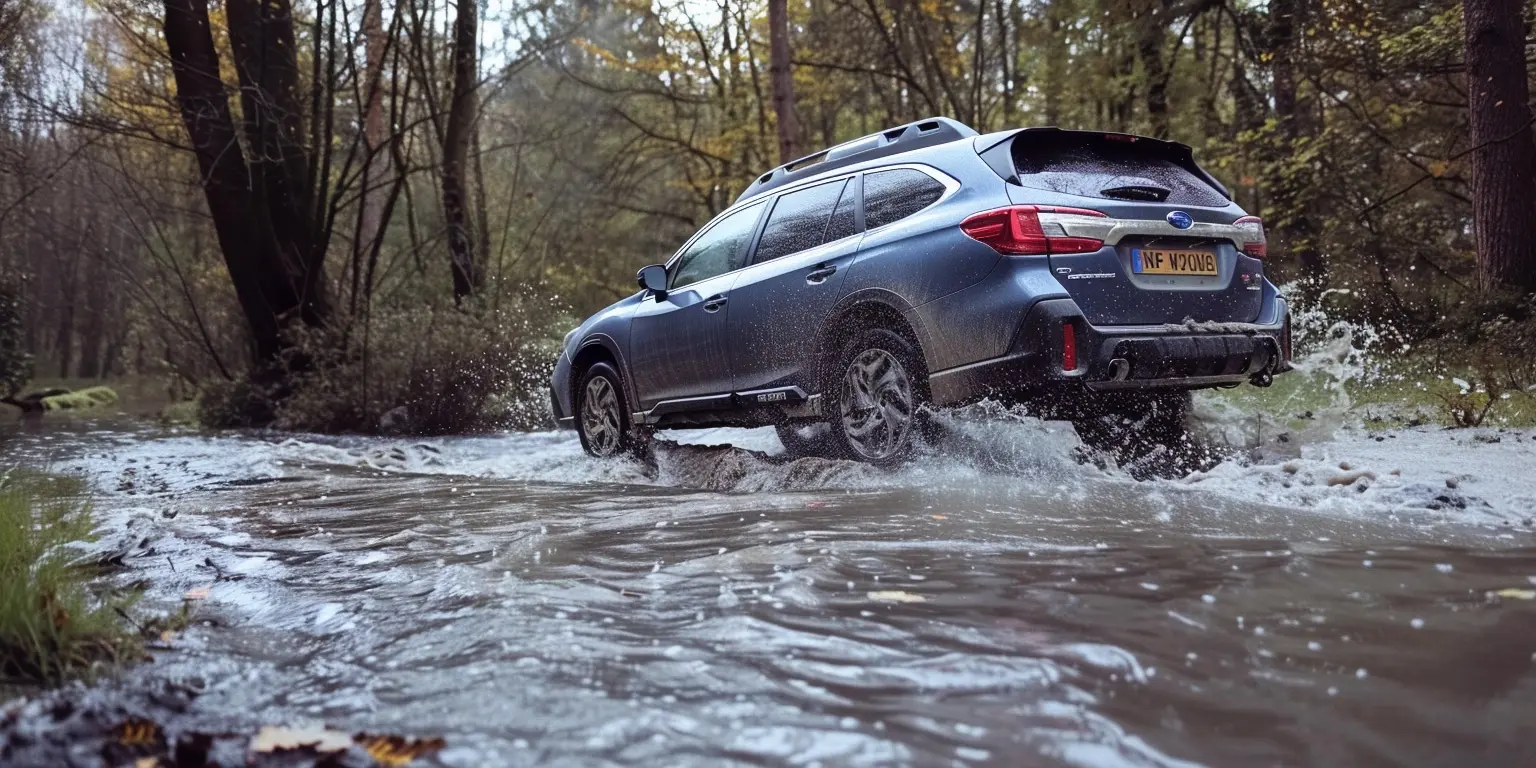
In low-speed situations, the Outback feels smaller than it is, thanks to its light steering. At higher speeds, the cabin becomes remarkably quiet, offering a serene environment that absorbs road imperfections effortlessly. On freeways and rural highways, the Outback excels, with controlled suspension movements and excellent comfort levels.
On the safety front, the Outback is well-equipped, featuring adaptive cruise control and lane-keep assist systems. However, there are minor gripes with the adaptive cruise control's behavior on hilly terrain and the lane-keep assist system's performance on rural roads with faded markings.
An intriguing feature of the Outback is its self-leveling automatic LED headlights that turn physically with the vehicle, enhancing nighttime visibility. The adaptive driving beam further improves visibility on rural highways, making it easier to detect wildlife.
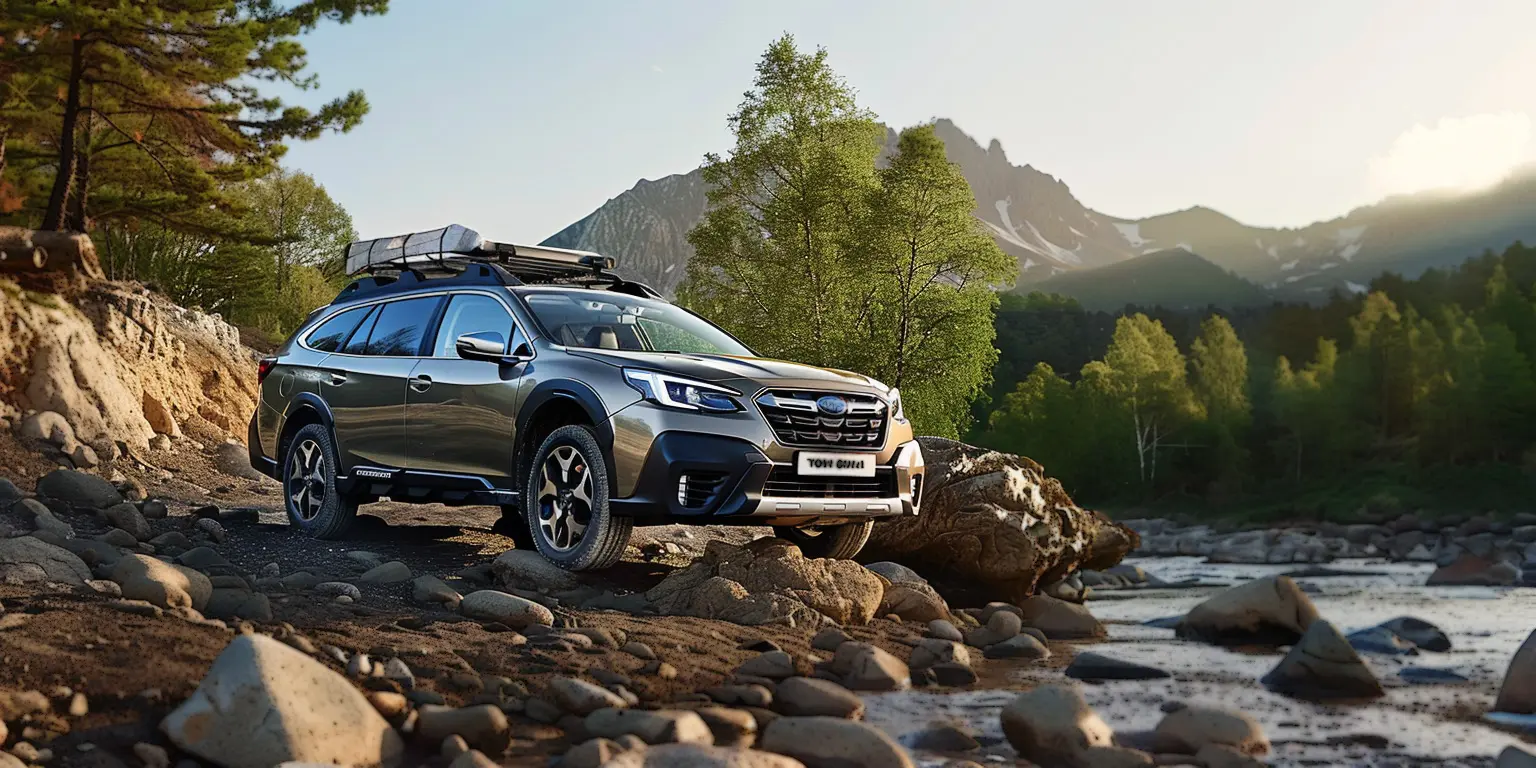
In conclusion, the Subaru Outback AWD Sport offers a balanced and practical driving experience, combining Subaru's signature traits with comfort, safety features, and versatile handling capabilities suitable for various driving conditions. Indeed, if you like adventure, Subaru Outback it's your choice, but if you need a city car, choose Subaru Legacy, and before making a choice, get acquainted with Subaru Legacy Owners Manual. Overall, choosing between the Subaru Outback and Subaru Legacy depends on factors such as your driving needs, lifestyle, preference for body style, and budget. If you prioritize versatility, cargo space, and capability for outdoor activities, the Outback is a great choice. On the other hand, if you prefer a sleek sedan design with a focus on comfort and on-road performance, the Legacy may be more suitable.
At higher speeds, such as cruising on highways or rural roads, the Outback maintains a stable and composed demeanor. Its suspension system is adept at absorbing road imperfections, providing a comfortable ride for both the driver and passengers. The cabin remains quiet, with minimal wind and road noise intrusion, contributing to an enjoyable driving experience, especially during long-distance trips.
Overall, while the Subaru Outback may not be a sports car focused on high-speed performance, it offers a balanced and comfortable driving experience across various speed ranges, making it an excellent choice for those seeking a versatile and capable vehicle for daily commuting, road trips, and outdoor adventures alike.
See also:
Ignition switch
WARNING
● Never turn the ignition switch to “LOCK” while the vehicle is being driven
or towed because that will lock the steering wheel, preventing steering control.
And when the engine is ...
Tire pressures
WARNING
Driving at high speeds with excessively low tire pressures can cause the tires
to deform severely and to rapidly become hot. A sharp increase in temperature could
cause tread separation, ...
Maintenance tips
Some clips and fender linings must be removed before replacing the air cleaner
elements or specific bulbs. ...